
A Generous Finish

Acts 20:35

As another year closes, it’s natural to look back on what we’ve earned, built, or saved. But the most joyful people I know aren’t defined by accumulation — they’re known for release.

Generosity is more than giving money; it’s a posture of open hands. It’s the way we hold our time, our forgiveness, and our attention.

Before the year ends, take inventory:

  • Who needs encouragement you’ve been meaning to send?

  • What resource could you share to lighten someone’s load?

  • Where could you give — quietly, joyfully, and without needing credit?

When we give freely, we echo the heart of the God who gave first. And that’s the best way to close a year — not just with receipts, but with rejoicing.



Real Presence in a Virtual Season

John 1:14

December moves fast — photos, parties, travel, and group texts galore. But Christmas at its core is about presence, not performance. “The Word became flesh and dwelt among us.”

That single truth — God with us — redefines everything.

What if this year, we followed His lead?

  • Put the phone down at dinner.

  • Write a real card instead of a quick comment.

  • Sit with someone who’s grieving instead of avoiding awkward silence.

We can’t be everywhere, but we can be fully where we are. Real presence is the best gift we give and the most powerful reflection of Emmanuel.

Thanks-Living

Colossians 3:15–17

Gratitude is easy to feel around a Thanksgiving table; harder to carry into December deadlines. But Scripture calls us to thanks-living, not just Thanksgiving.

Gratitude shifts perspective. It doesn’t erase challenges, but it reframes them:

  • Instead of Why me?, it asks What is God doing in me?

  • Instead of When will this end?, it whispers What can I learn here?

  • Instead of I need more, it remembers I already have enough in Christ.

Try this: set a recurring reminder in your phone each morning labeled “Look for grace.” Then write one sentence of gratitude at night. Small rhythms create lasting posture.

A thankful heart doesn’t wait for perfect conditions — it becomes the condition that makes life richer.


After the Ballots: How We Show Up Now

John 17:20–23

Every four years, the country exhales after an election. The debates quiet down, the signs come out of the yards, and people look toward the future — sometimes hopeful, sometimes disheartened.

But for followers of Jesus, our calling doesn’t change with the color of a map. Jesus prayed that His followers “may be brought to complete unity so that the world will know” Him. That’s our real campaign.

So how do we live that out?

  1. Lead with listening. Even when we disagree, empathy builds bridges.

  2. Love across lines. Invite someone to coffee whose perspective differs from yours.

  3. Live as light. The world doesn’t need louder voices; it needs brighter ones.

No election can stop the advance of the Kingdom. Let’s be the calm in the chaos and the kindness in the conversation. The way we handle “after” moments may be one of the strongest witnesses we ever give.


Pre-Election Heart Check

Psalm 139:23–24

Election seasons have a way of turning up the volume — on opinions, fears, and headlines. Before engaging the noise, it’s worth doing a heart check:

  1. Am I more informed by news or by Scripture?
    God’s Word should shape how we interpret the world, not the other way around.

  2. Do I talk about politics more than I pray for people?
    Conviction matters, but compassion should always lead.

  3. Have I mistaken political victory for Kingdom advancement?
    Jesus’ mission was never dependent on election results.

As citizens of heaven, we can model peace in a polarized world. Listen more. Speak with grace. Disagree without dishonoring.

Before we post, debate, or vote — let’s ask God to search our hearts and keep them aligned with His.


Pumpkins & Peacemaking: Practicing Hospitality

Romans 12:13

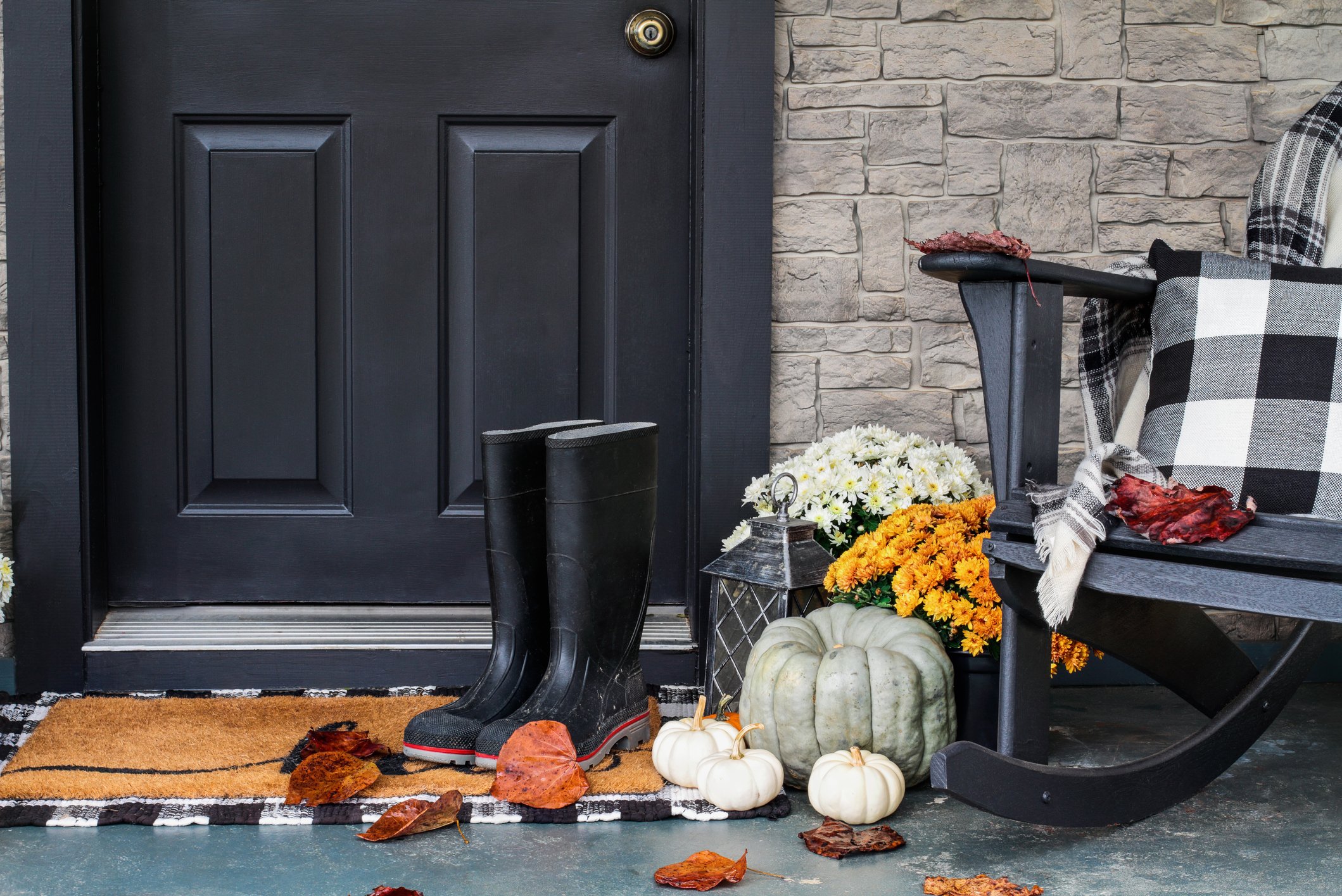
Fall is the season of cozy sweaters, cinnamon candles, and pumpkin everything — but it’s also a beautiful time to open your door. Hospitality doesn’t have to be elaborate. A porch, a blanket, and a warm drink can be the start of meaningful connection.

Use autumn’s rhythms to bring people together:

  • Host a chili night or s’mores firepit for neighbors.

  • Organize a small “Friendsgiving” with intentional gratitude sharing.

  • Keep cider on the stove and invite drop-in conversations.

When the world feels divided, every open door preaches peace. Hospitality is one of the simplest, most powerful ways to reflect God’s heart — a place of welcome, warmth, and belonging.


Labor That Matters

Colossians 3:23

Labor Day weekend often marks a pause between seasons — summer ending, fall beginning. It’s also a good time to reflect on how we work, and why.

Work is worship when we see it as partnership with God — not just in ministry or missions, but in classrooms, offices, and homes. Every spreadsheet, conversation, and meal prepared can become an offering if done with the right heart.

When we approach work as calling, not drudgery, even the mundane becomes meaningful. Excellence, integrity, and kindness are ways we carry the image of Christ into the world.

Whatever you do this fall, do it wholeheartedly — because ultimately, you’re not working for people; you’re working unto the Lord.

Fall Forward: Courageous Yeses

Joshua 3:5

Fall has a way of calling us forward — new beginnings, new chances, new courage. And yet, comfort can keep us stuck. The Israelites stood at the edge of the Jordan River, unsure of what crossing would cost — and God simply said, “Consecrate yourselves, for tomorrow the Lord will do amazing things among you.”

Sometimes the only thing standing between us and “amazing” is a yes.

Ask yourself:

  • Where is fear disguising itself as wisdom?

  • What opportunity is stretching your faith?

  • What obedience might unlock something new?

Courage isn’t the absence of fear; it’s the decision to keep walking while your knees still shake.


Start Smart: Systems that Serve Your Soul

Proverbs 16:3

August often feels like a restart button — new schedules, new routines, new commitments. It’s the perfect time to ask: Do my systems serve my soul, or do they suffocate it?

Healthy systems don’t control us; they create freedom. Here’s how to realign:

  1. Simplify your inputs. Choose one planner, one calendar, one place for to-dos. Too many tools = scattered peace.

  2. Block your mornings. Guard the first hour for what matters most — prayer, reflection, or exercise.

  3. Batch decisions. Plan meals, outfits, or recurring tasks weekly to reduce daily stress.

  4. Schedule margin. Leave white space for interruptions; they’re often divine appointments.

When systems align with purpose, structure becomes a form of stewardship — not control.


Back to the Table

Acts 2:46–47

When life speeds back up in August, family dinners are often the first to go. School, travel, and work pull us in different directions. Yet some of Jesus’ most significant moments happened at a table — breaking bread, telling stories, offering grace.

There’s something sacred about slowing down long enough to eat with others. The table doesn’t need to be fancy — tacos, soup, takeout — what matters is presence, not perfection.

Try this simple rhythm:

  • Choose one night each week to invite someone to your table — a neighbor, coworker, or friend you haven’t seen in a while.

  • Begin the meal with a short gratitude moment — one thing you’re thankful for this week.

  • End by asking a meaningful question: Where have you seen hope lately?

Hospitality isn’t about entertaining; it’s about opening space for God to move. The early church understood that the gospel often advances one meal at a time.


Mid-Year Reset

Psalm 90:12

We’re halfway through the year — a perfect time for reflection and recalibration. Growth rarely happens by accident; it happens by attention.

Here’s a simple mid-year rhythm:

  1. Remember. List three ways you’ve seen God’s mercy since January.

  2. Review. What’s working and what’s not in your body, relationships, work, and soul?

  3. Realign. Choose one small, specific habit for each area.

  4. Release. Identify one weight you’re carrying that’s not yours to hold.

  5. Recommit. Write a short statement that describes how you want to live the next 90 days.

The goal isn’t perfection — it’s progress with peace. The second half of the year can still be your best half when you pause to listen and realign.


Freedom to Serve

Galatians 5:13

Every Fourth of July, we celebrate freedom — but biblical freedom isn’t just from something; it’s for something. “Through love serve one another,” Paul writes.

Freedom shifts our posture:

  • From entitlement to entrustment. Every gift becomes a tool for Kingdom impact.

  • From outrage to outreach. Instead of posting about what’s wrong, do one thing that makes it right.

  • From comfort to calling. True freedom thrives under the right constraints — love and obedience.

Ask yourself: how can I use my freedom this month to lighten someone else’s load? Service is the heartbeat of liberty.


Summer on Mission


Matthew 5:14–16

Summer loosens routines and opens opportunities — pool conversations, backyard dinners, travel encounters. Mission isn’t just overseas; it’s across the table.

Five ways to live on mission this summer:

  1. Name your spaces. Pray for the people you’ll see most often — gym, office, café.

  2. Linger two more minutes. Ask one meaningful question before walking away.

  3. Open your table. Keep hospitality simple but consistent.

  4. Serve together. Invite friends to join you in one local act of kindness.

  5. Tell a small story. Share where you’ve seen God’s goodness lately.

Light doesn’t have to be loud to be bright. Just be present — kind, curious, and willing to speak hope when prompted.


Practice Like a Pro

1 Timothy 4:7–8

Championships are won in empty gyms, long before the crowd shows up. The same is true for faith. Growth doesn’t happen by accident — it’s trained through daily reps of grace.

Choose one area to train this month:

  • Scripture intake (read one Psalm aloud each morning)

  • Prayer (set a ten-minute timer)

  • Generosity (bless one person daily)

  • Encouragement (speak life intentionally)

Track your reps. Notice patterns. Tell a friend for accountability. Small faithfulness compounds like interest — quietly, steadily, powerfully.

Spiritual maturity isn’t flashy. It’s consistent. Start today and train like someone who plans to finish well.


Sabbath in a “Go” Month

Hebrews 4:9–11

May moves fast — graduations, weddings, travel, deadlines. It’s easy to believe rest can wait until June. But rest isn’t a luxury; it’s obedience. “Let us make every effort to enter that rest,” Hebrews says.

Sabbath takes intention. Here’s a pattern you can try:

  • Prepare: Choose a window of time (even half a day) and protect it.

  • Cease: Stop what earns or proves. No inbox. No “just one more thing.”

  • Delight: Enjoy what refreshes your soul — good food, nature, worship, laughter.

  • Remember: You’re loved apart from your output.

Sabbath is not about what you do without; it’s about Who you rest in. When we pause, we preach to ourselves: God is God, and I am not.


Mothers, Mentors, and Multipliers

2 Timothy 1:5

Mother’s Day brings a swirl of emotions — gratitude, grief, joy, and longing. But motherhood isn’t only biological; it’s spiritual.

Paul thanked God for the sincere faith passed down from Lois to Eunice to Timothy. That’s generational discipleship in action — a legacy of faith built through presence, prayer, and persistence.

This month, widen your lens:

  1. Name them. Who invested in your spiritual life? Thank them. Tell them what you remember.

  2. Imitate them. Carry forward one of their habits — Scripture memory, hospitality, or generosity.

  3. Become them. Find someone younger in faith and invite her to coffee. Listen well. Pray together.

Every believer can mother a soul by helping someone grow in Christ. Legacy isn’t built in grand gestures — it’s formed in faithful, consistent love.


Bracket Busts and Holy Resilience

Psalm 37:23–24 

Every March, millions fill out brackets — and almost no one gets them right. Upsets and unexpected outcomes are part of the game, but they’re also part of life.

When plans unravel, they expose what we were leaning on. The favorite loses, the project falls through, the door closes — and our faith muscles ache. Scripture promises that even when we stumble, the Lord holds our hand.

Resilience isn’t pretending nothing happened; it’s remembering Who still holds us.

Here’s a framework to practice:

  • Name the loss. Be honest about what hurts. God can handle it.

  • Refuse isolation. Invite someone to pray with you and speak truth into the fog.

  • Do the next faithful thing. Small obedience builds momentum again.

A busted bracket doesn’t ruin the tournament; it just changes your strategy. The same is true for faith. Loss can clarify purpose, deepen dependence, and strengthen trust.


When the World Hands Out Trophies

Proverbs 27:21 - “The crucible is for silver, and the furnace is for gold, and a man is tested by his praise.”

Awards season always fascinates me. We watch the red carpet, the gowns, the speeches — and for a few hours, the world declares what (and who) matters most. The applause is loud, the spotlight is bright, and part of us wonders, What would I say if the spotlight hit me?

Recognition isn’t wrong. God delights in excellence, beauty, and faithful work. But Proverbs reminds us that “people are tested by their praise.” Praise is a test — not of skill, but of character.

Here are three questions worth asking:

  1. Can I receive encouragement without needing it?
    Encouragement is fuel, not oxygen. Gratitude keeps us grounded when affirmation comes.

  2. Am I more energized by hidden faithfulness than public attention?
    Jesus called us to the secret place — where the applause comes from Heaven, not humans.

  3. Do I celebrate others’ wins as easily as my own?

    Envy is applause stuck in the throat. Choose celebration instead.

After any “win,” take ten quiet minutes with the Lord. Thank Him. Reflect on what He taught you. And if others helped you get there, honor them too.

One day, we’ll all stand before Jesus. May that moment find us fluent in giving glory where it belongs.


Faithful in the Little Things

Luke 16:10 – “Whoever can be trusted with very little can also be trusted with much.”

Big dreams start with small steps — and God notices every one.

Faithfulness doesn’t always look exciting. It often looks like showing up, keeping promises, and doing what’s right even when it feels routine. But in God’s economy, small obedience leads to great impact.

When you’re weary of the mundane, remember: the same God who multiplies loaves and fish can multiply your quiet acts of faithfulness. Nothing done for Him is ever wasted.

Keep tending the “little things.” They’re the soil where miracles begin to grow.

Reflection questions:

  • What small act of obedience is God asking of you this week?

  • How can you stay faithful when fruit isn’t immediate?

  • Who models quiet, consistent faithfulness in your life?

The Shape of Love

1 Corinthians 13:4–7 – “Love is patient, love is kind. It does not envy, it does not boast, it is not proud…”

February brings hearts and flowers, but love — real love — is more than a feeling; it’s a posture.

Love is shaped like patience when others test your limits. It’s shaped like grace when you could choose pride. It’s shaped like service when you’d rather be noticed.

The love that changes the world doesn’t shout; it shows up. It forgives quietly, listens deeply, and sacrifices willingly.

This month, before you focus on what love should feel like, ask what it should look like. Chances are, it looks a lot like Jesus.

Reflection questions:

  • What relationship is God calling you to love better right now?

  • How can love become a daily choice, not a seasonal sentiment?

  • When has someone’s Christlike love reshaped your heart?